

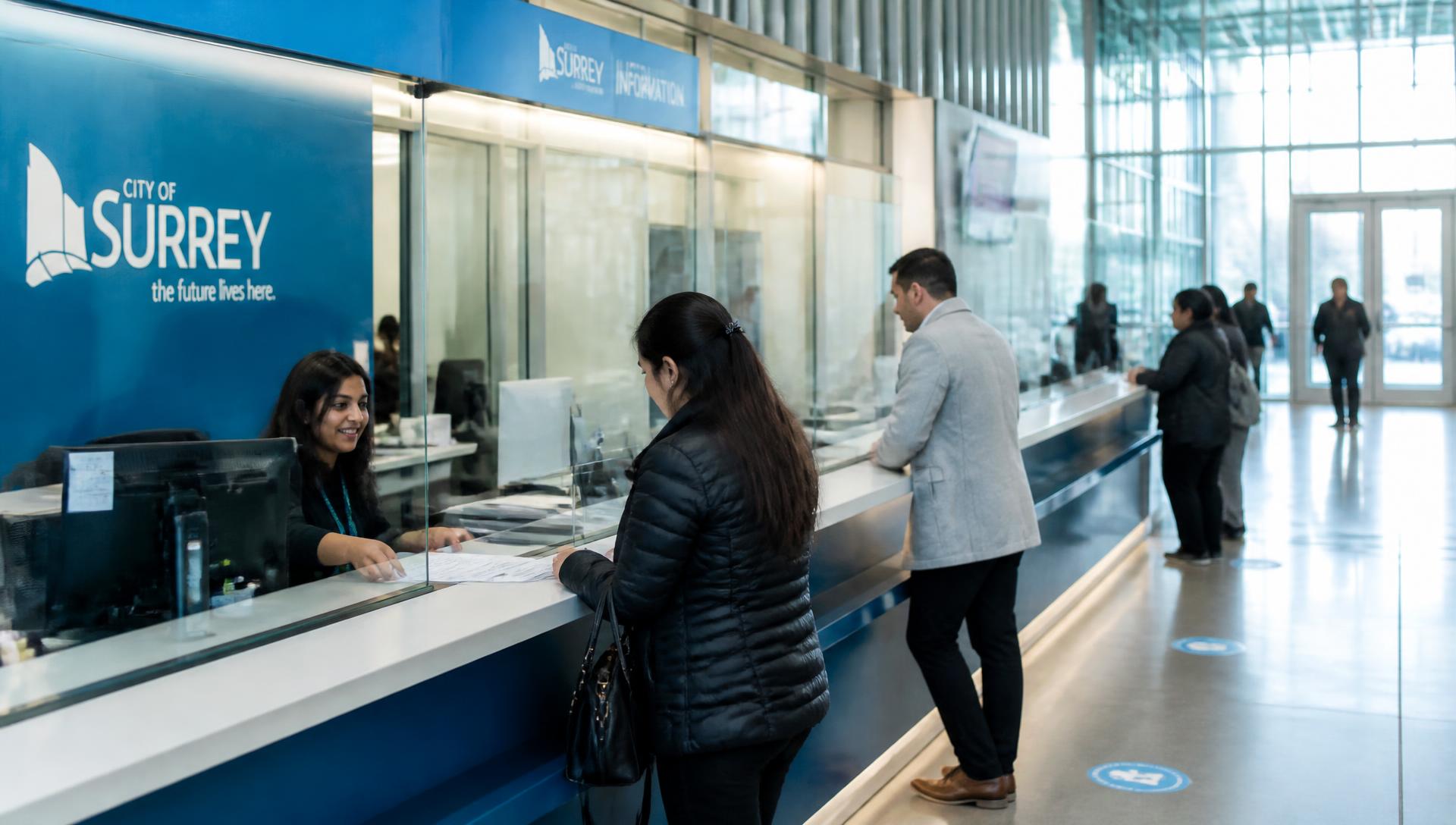
Bilingual citizen portal
A single entry point to find a service, submit a request, track a file and retrieve documents - designed for phone reading and validated with people with disabilities.
Public services usable on the first try: bilingual, accessible, traceable - delivered in stages, without putting the mission at risk.
A request's journey
EN / FRFind the right service
Single search, language of choice
Submit a request
Accessible form, attachments, save and resume
Internal processing
Automatic routing, deadlines tracked
Decision and notification
Reason logged, citizen informed, file archived
Public sector framework
In the public sector, constraints are not an obstacle to the project: they are its specification.
Bilingual content, notifications and emails managed in one repository, with no “translation coming soon” page.
WCAG 2.1 AA-compliant design, keyboard navigation, verified contrast and screen-reader testing.
Data minimization, controlled hosting in Canada, encryption and role-based access.
Access and decision logging, exportable for audits and access-to-information requests.
Documentation, code and data handed to the organization: no single-vendor lock-in.
The concrete change
Today
After modernization
Modernization workstreams
A single entry point to find a service, submit a request, track a file and retrieve documents - designed for phone reading and validated with people with disabilities.
Routing, approvals and reminders tooled up, with the rules written down explicitly.
APIs and scheduled exchanges with mission systems, without a technology big bang.
Every request carries timestamps: service commitments become verifiable, and bottlenecks visible before they become complaints.
Retention, versioning and disposal governed by your retention schedule.
WCAG diagnostic of your existing services, with a prioritized remediation plan.
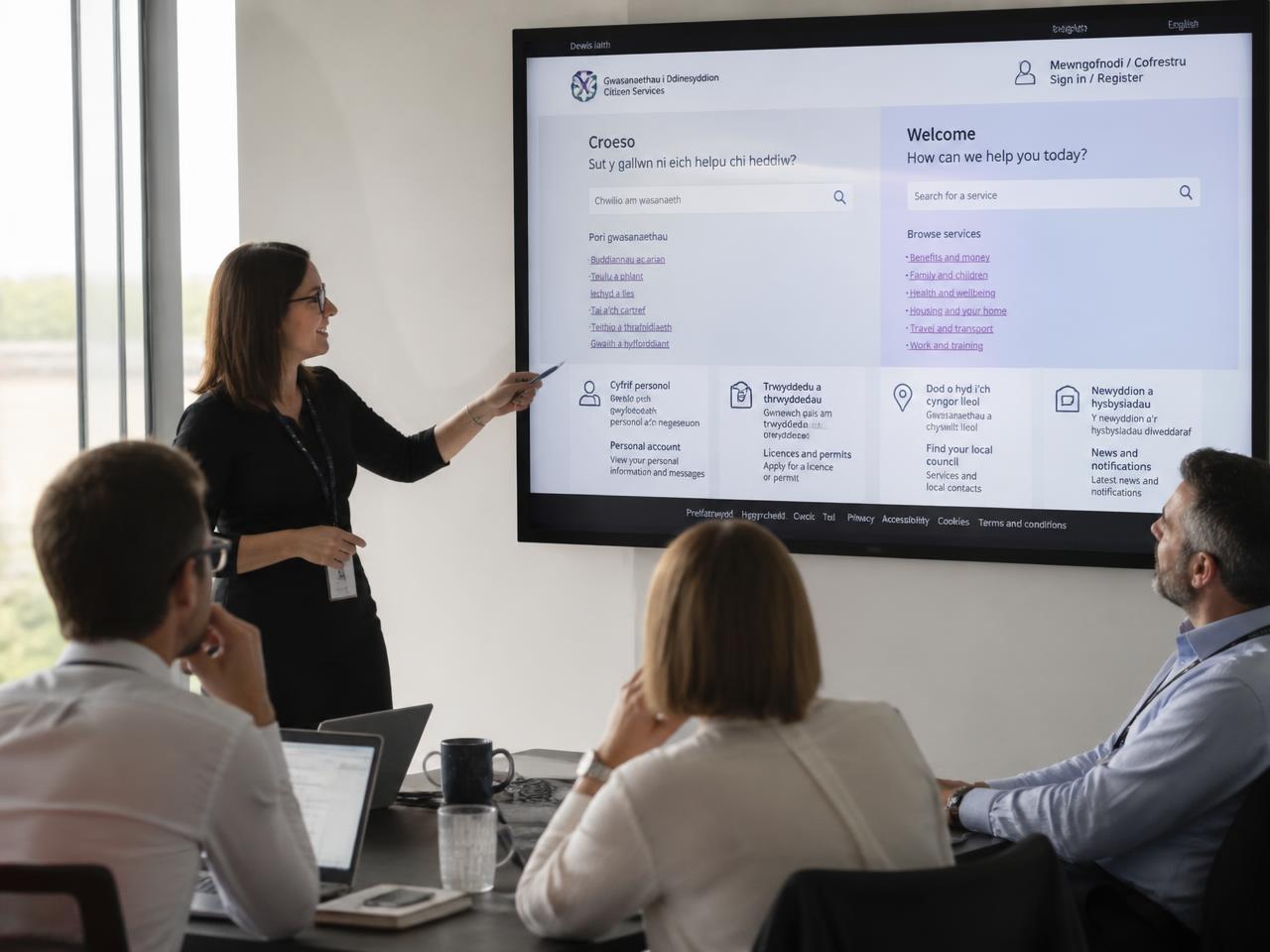
Citizen portal
Most counter calls are about the status of a file. Making that status visible reduces pressure on teams as much as it improves service.
Delivery model
Large public programs rarely fail from lack of ambition, but from the absence of verifiable results for years.
Elected officials, management, service units and citizens: needs and constraints documented before any line of code.
One real, complete and measurable service instead of a mock-up: proof happens in the field.
Validated templates are reused for subsequent services, at decreasing cost.
Internal team training, documentation and full handover of access and code.
Organizations served
Frequent questions
Accessibility is treated as a design requirement, not a final fix: semantic structure, keyboard navigation, contrast and labels are validated at every iteration, then verified with screen readers before go-live.
Book a free 30-minute consultation with a solutions architect.